

The era of the “brochure website” is ending.
Most business websites today suffer from a common problem: they are passive. They present walls of text, lists of services, and generic “About Us” pages, asking the visitor to do all the heavy lifting. You are asking your potential client to read, synthesize, and calculate how your service applies to their specific situation.
In a world of short attention spans, this is a friction point that costs you leads.
Users don’t want to read about your value; they want to calculate their specific benefit.
This is why Custom Interactive Calculators and Data Visualization Tools are becoming the highest-ROI assets on the modern web. They solve the “So What?” problem immediately by allowing users to input their own reality and see a personalized result.
Why custom tools are better
With the rise of AI and “vibe-coding,” generating static text and generic layouts has become cheap and easy. But building custom logic – taking a complex Excel spreadsheet or a proprietary business formula and turning it into a secure, web-based tool – remains a premium capability.
A custom calculator does the work of a sales consultant, 24/7.
-
It creates “stickiness”: Users stay on calculator pages 3-4x longer than standard service pages.
-
It generates high-quality leads: Instead of a generic “Contact Us” form, you can offer a “Download my Personal Report” button, capturing a lead that has already qualified themselves.
-
It is shareable: People rarely share service pages. They frequently share tools that gave them a useful result (e.g., “I just scored high on this efficiency test”).
Proven results: Turning data into action
At CJWEB, we don’t just build websites; we build business tools. We move beyond standard plugins to write custom JavaScript (Vue.js, React) that handles complex math and visualizes it instantly.
Here are three examples of how we’ve helped clients turn complex data into accessible user experiences:
1. Qualifying high-value investors
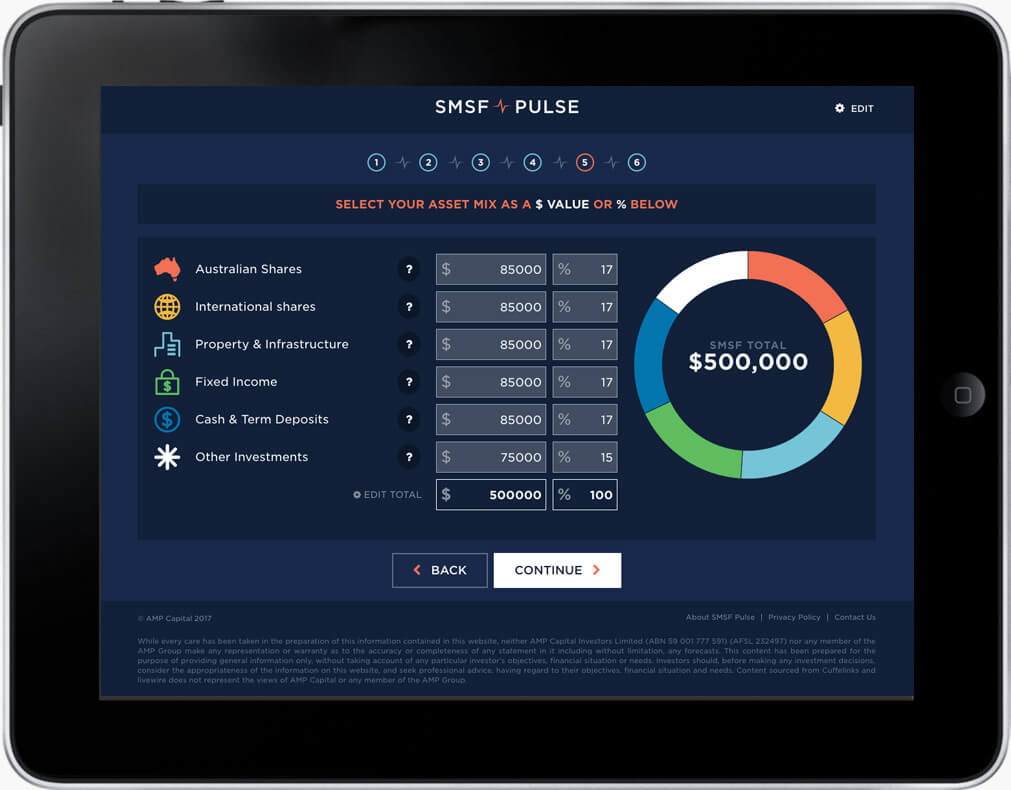
Project: AMP Capital SMSF App
The challenge: Setting up a Self-Managed Super Fund (SMSF) isn’t for everyone; there are strict capital requirements to make it viable. AMP needed a way to filter out users who didn’t have the minimum balance required, without discouraging them from other products.
The solution: We built a “Readiness Calculator.” Users input their super balance, age, and risk profile. The app instantly visualizes if an SMSF is cost-effective for them compared to a standard fund. It automated the qualification process, ensuring sales teams only spoke to leads who passed the “digital check.”

2. Visualizing medical data for parents
Project: Myopia Calculator
The challenge: Medical data is often dense and frightening. Our client needed a way to show parents the progression of short-sightedness (Myopia) in children without overwhelming them with medical jargon.
The solution: We built a custom interactive graph. Parents input their child’s current age and vision metrics, and the tool dynamically plots a trajectory curve. It transforms abstract numbers into a clear visual story, helping parents make informed decisions about treatment immediately.
3. Making energy savings tangible
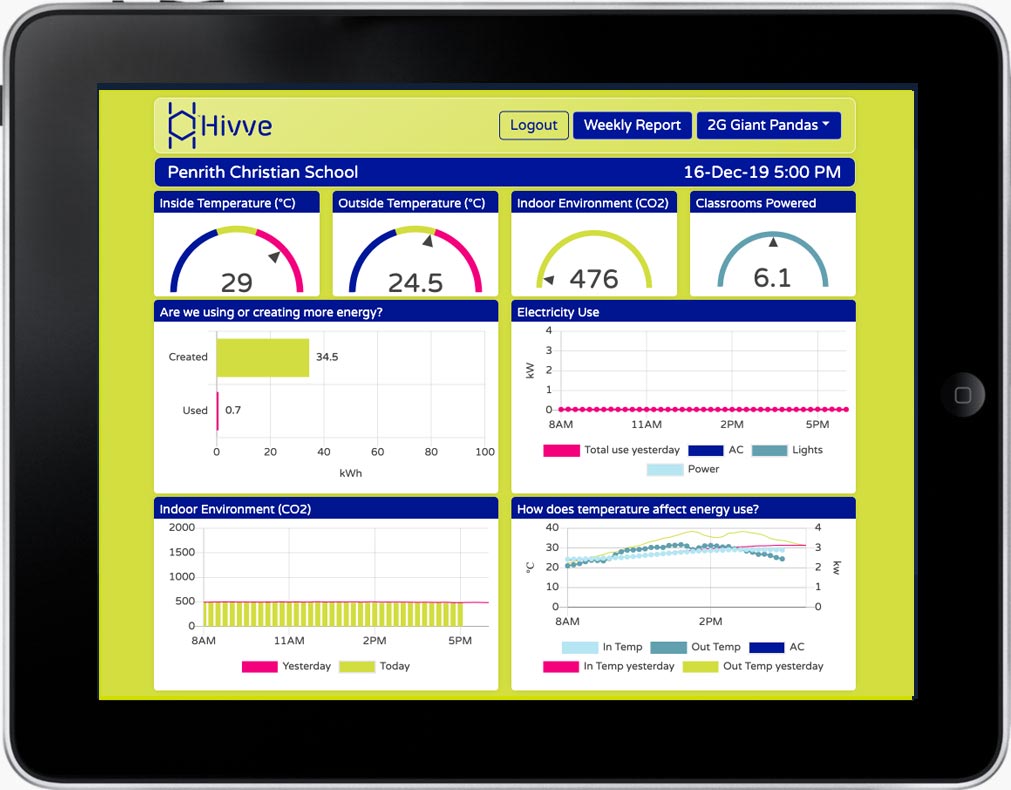
Project: Hivve iQ App
The challenge: Schools needed to understand their energy consumption to justify the cost of green technology.
The solution: We developed a real-time dashboard that pulls live data to visualize energy savings. Instead of a static report saying “You saved energy,” the app shows dynamic charts of kilowatt-hours saved and carbon reduced. It turns invisible data into visible ROI.
Why standard plugins aren’t enough
You might be wondering, “Can’t I just use a WordPress plugin for this?”
For simple addition, perhaps. But for business-critical logic, plugins fail. They are often bloated, insecure, and unable to handle:
-
Proprietary formulas: Your business has unique IP (Intellectual Property) in how you quote or estimate. A plugin cannot replicate your specific Excel logic.
-
Dynamic visualisation: Plugins rarely offer Chart.js or D3.js integration to render live graphs.
-
CRM integration: Custom tools can push data directly into HubSpot, Salesforce, or your specific workflow.
The next step
If you have a spreadsheet that you use internally to quote clients, estimate savings, or assess risk, you have a software product waiting to be built.
Stop asking your customers to read. Start giving them the tools to calculate their own success.
Contact CJWEB today to discuss converting your static content into an interactive sales engine.


